
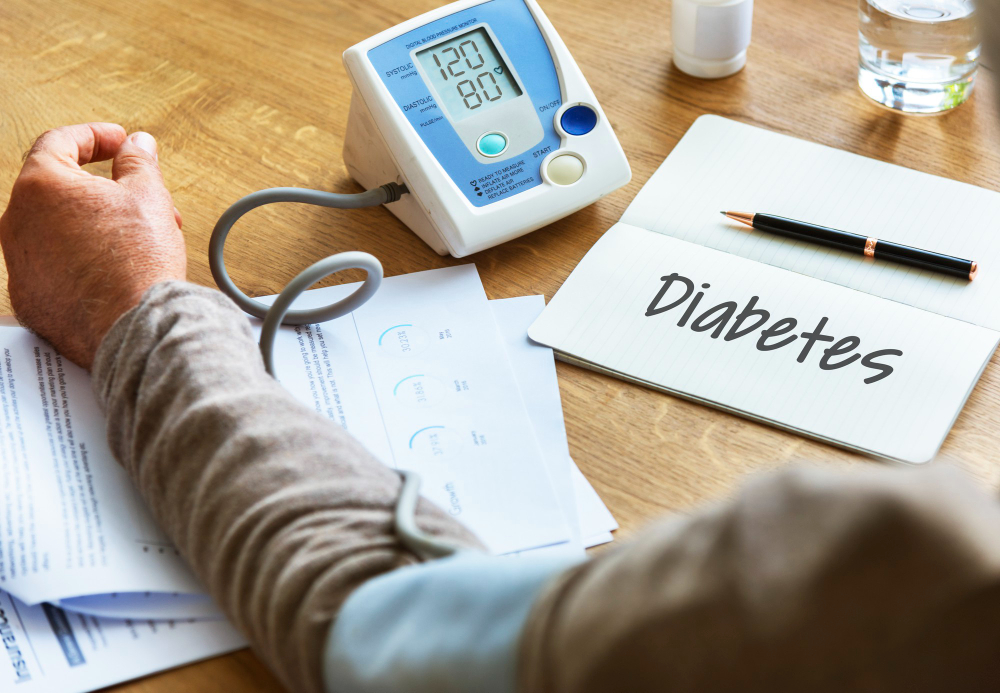
What Is Prediabetes?
Prediabetes means your blood sugar is higher than normal, but not high enough for diabetes. Many people do not know they have it. In fact, the Centers for Disease Control and Prevention (CDC) says over one in three adults in the United States have prediabetes. However, most do not notice any symptoms. Because of this, it is important to learn about prediabetes early warning signs. Early action can help prevent diabetes progression and protect your health.
Early Warning Signs of Prediabetes
Often, prediabetes does not cause clear symptoms. Still, some people may notice changes. For example, you might feel more tired than usual. Sometimes, you may feel extra thirsty or need to urinate more often. These signs can be easy to miss. Yet, it is helpful to watch for them, especially if you have risk factors.
Since these symptoms can be mild, regular checkups are important. That way, you can catch prediabetes early and take steps to prevent diabetes progression.
Causes and Risk Factors
Many things can raise your risk for prediabetes. For instance, being overweight or not active enough can increase your chances. Family history also plays a role. In addition, some health conditions and habits can add to your risk.
Because these risk factors are common, many people should get screened for prediabetes, especially as they get older.
How Prediabetes Is Diagnosed
Doctors use simple blood tests to check for prediabetes. First, they may order a fasting blood sugar test. This test measures your blood sugar after you have not eaten for at least eight hours. Another test is the A1C test, which shows your average blood sugar over the past three months. Sometimes, a doctor may use an oral glucose tolerance test as well. This test checks how your body handles sugar after drinking a sweet liquid.
If your results are in these ranges, your doctor may talk with you about how to stop prediabetes from becoming diabetes.
Effective Strategies to Prevent Diabetes Progression
Taking action early can help prevent diabetes progression. The good news is that small changes can make a big difference. For example, losing just 5% to 7% of your body weight can lower your risk. In addition, being active most days of the week helps your body use sugar better.
Because these steps are proven to work, many health experts recommend them for anyone with prediabetes.
Lifestyle Tips for Managing Prediabetes
Even small lifestyle changes can help manage prediabetes. For instance, you can start by adding more vegetables to your meals. Next, try walking for 30 minutes most days. Over time, these habits can become part of your daily routine.
Because support matters, sharing your goals with others can help you stay on track.
Frequently Asked Questions About Prediabetes
Can prediabetes be reversed?
Yes, many people can return their blood sugar to a healthy range with lifestyle changes. However, it is important to keep up healthy habits to maintain these results.
Is medication needed for prediabetes?
Most people do not need medicine for prediabetes. Still, some may benefit from it if lifestyle changes are not enough. Your doctor will help decide what is best for you.
How often should I get tested for prediabetes?
If you have risk factors, the CDC suggests testing every one to three years. Your doctor can recommend the right schedule for you.
What foods should I avoid?
Try to limit foods high in sugar, white bread, and fried foods. Instead, choose whole grains, lean proteins, and plenty of vegetables.
Can children get prediabetes?
Yes, children and teens can develop prediabetes, especially if they are overweight or have a family history. Early action can help prevent diabetes progression in young people as well.